WellnessApril 23, 2026
Your Body Knew You Were Exhausted Long Before Your Mind Admitted It
Long before we consciously acknowledge we are drowning, our physiology has already begun signaling for help.
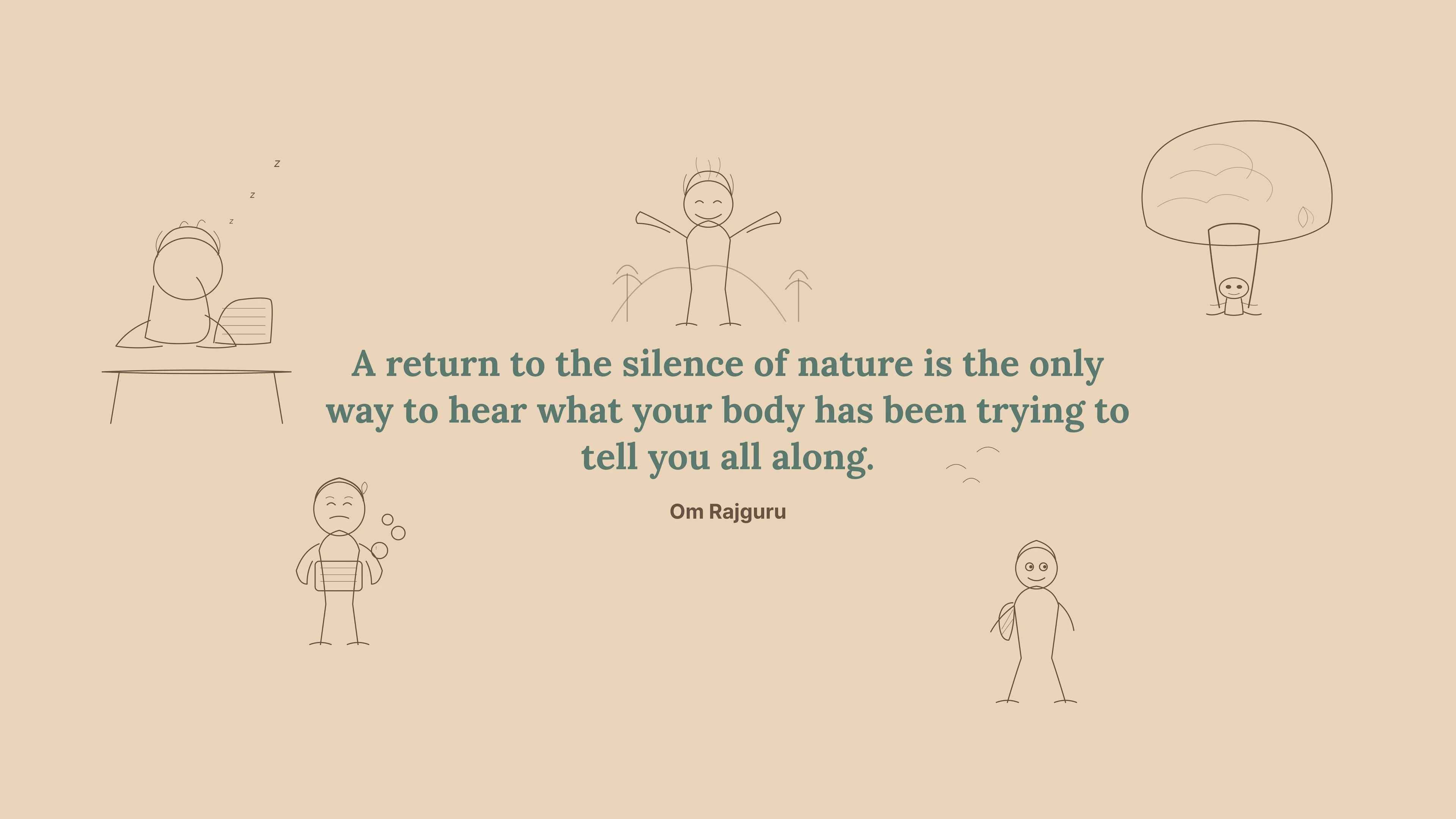
Long before we consciously acknowledge we are drowning, our physiology has already begun signaling for help.
We often treat our minds as the boss and our bodies as the mere laborers of our lives, but when the pressure mounts, the body is the one that keeps the honest books. Long before we consciously acknowledge we are drowning, our physiology has already begun signaling for help through a physical language of tension and restlessness that we have been trained to ignore.
The human body is an incredibly honest narrator, even when the mind is practiced in the art of denial. You might tell yourself you are handling the pace of life just fine, but your nervous system is recording the truth in the small, jagged edges of your day. It shows up in the way you hold your breath while reading an email, or that buzzing electricity in your legs that makes sitting still feel like a chore. We often mistake this high-functioning anxiety for a personality trait, assuming we are just naturally restless or light sleepers, failing to realize these are the early sirens of a system that has forgotten how to return to its baseline.
There is a peculiar pride we take in our capacity to endure, as if the ability to override our own exhaustion is a professional skill. We have developed a tolerance for a low-grade, constant fight-or-flight state, convincing ourselves that as long as we are producing, we are doing well. The mind is stubborn; it insists that because we have already sacrificed so much sleep or peace to a goal, we cannot afford to stop now. We treat our physical limits like obstacles to be optimized or hacked with more caffeine and better scheduling, rather than as boundaries designed to keep us from breaking.
Nature has a way of bypassing these mental justifications by offering a scale of time that doesn't care about our deadlines. When you are surrounded by the ancient, indifferent rhythm of a forest, the frantic urgency of your inner monologue starts to feel slightly absurd. There is a specific biological relief in looking at something that isn't a glowing rectangle or a straight line. The irregular patterns of leaves and the sound of wind allow the brain to stop scanning for threats or tasks, shifting our state from constant focusing to simple existence.
Stepping into the valley at Blossom Retreat, the transition is usually marked by a sudden, involuntary heavy sigh. It is the sound of the body finally winning the long-standing argument it has been having with the mind. Here in Chiplun, the air is thick with the scent of wet earth and wild greens, acting like a physical weight that anchors you to the spot. As you stand in the silence of Kotwali, the absence of traffic and notifications creates a space where you can finally hear your own heartbeat. You don't have to work at relaxing here; the hills do that for you.
Rest in this landscape isn't an activity you check off a list, but a slow return to your senses. It looks like spending an hour watching the light change on the Sahyadri range or realizing you haven’t checked your phone because you were actually interested in the taste of a fresh, homemade meal. These moments provide the necessary gaps in a crowded life, allowing the clutter of your thoughts to settle to the bottom. When the noise stops, you start to see your priorities clearly again, realizing which of your worries were vital and which were just loud.
This clarity is the real gift you take back to the city. You return to your routine not just with more energy, but with a better internal compass. You begin to notice the exact moment your shoulders begin to creep toward your ears or when your speech starts to accelerate into a blur. The retreat serves as a baseline, a reminder of what "normal" actually feels like. You realize that the world didn't end because you went quiet for a few days, and that the most productive thing you can do for your future self is to occasionally be unreachable.